
Product
FRIENDLY/link Nantong zhuolida Ali SAMSAN Corrosion machining Nantong zhuolida HJD Shenzhen zhuolida Esprit print
HOTLINE
189-3869-3452 0513-8160 1666

189-3869-3452 0513-8160 1666

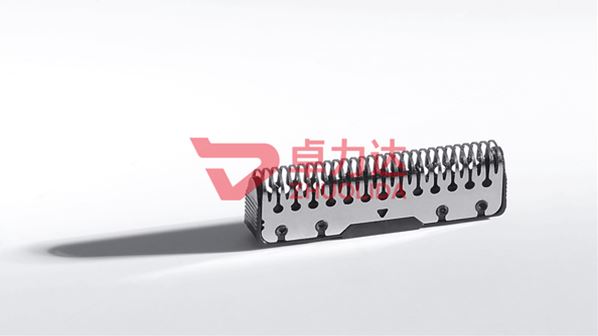
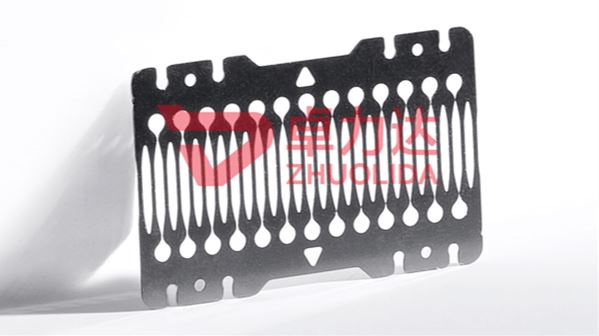
A razor blade is a thin, sharp-edged cutting tool designed for precision shaving, trimming, and light cutting tasks, serving as an essential daily and industrial tool worldwide. Whether for personal grooming, craft making, or light industrial processing, high-quality razor blades deliver clean, smooth cuts with minimal effort. This guide covers core knowledge of razor blades, including common types, key features, practical applications, regional usage tips, and safety guidelines, fully matching global search demands and local user needs.
A razor bladeis typically made of high-carbon steel or stainless steel, featuring an ultra-thin structure and a razor-sharp cutting edge. Different from ordinary cutting blades, professional razor blades undergo precise grinding, polishing, and anti-rust treatment, ensuring sharpness, durability, and skin-friendliness. Standard razor blades adopt a single-edge or double-edge design, with smooth surface coating to reduce friction during use.
The core advantages of qualified razor blades lie in three aspects: consistent sharpness, low irritation, and long service life. Premium stainless steel razor blades resist oxidation and rust, adapting to humid environments in Southeast Asia, Europe, and North America, while high-carbon steel blades offer superior sharpness for fine trimming scenarios.
razor bladeare classified by structure and usage, and different regions have distinct preferences for blade types based on living habits and usage scenarios. The three most mainstream types cover 90% of global civilian and commercial demands.
Double-edge razor bladeare the most classic and widely used type, compatible with most traditional safety razors. With two symmetrical sharp edges, they support reversible use and feature uniform cutting force. This type of razor blade is popular in Europe, the Middle East, and North America, favored by users who pursue traditional wet shaving. It is suitable for daily facial shaving and body hair trimming, with moderate sharpness and low skin irritation.
Single-edge razor blade have one sharp cutting edge and a thick protective back edge, ensuring high safety during operation. They are not only used for partial grooming trimming but also widely applied in light industrial cutting, such as cutting tape, paper, and thin films. This razor blade type is more popular in Oceania and North American daily office scenarios due to its high safety and multi-scene adaptability.
Disposable razor blades are pre-assembled with plastic handles, featuring portable and one-time use characteristics. They are lightweight, convenient, and require no blade replacement, perfectly matching the fast-paced lifestyle of modern users. These razor blades dominate the consumer markets of East Asia and Southeast Asia, ideal for travel, business trips, and daily casual use.
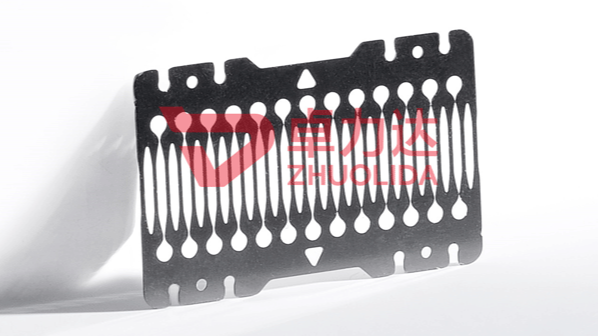
Beyond basic personal grooming, razor blades have diverse practical values, becoming versatile tools for families and small industries. In daily life, they are used for eyebrow trimming, beard fine polishing, and excess hair removal on the neck and cheeks. The ultra-thin blade can achieve zero-distance trimming, avoiding stubble residue.
In commercial and industrial fields, razor blades are used for precision trimming of packaging materials, circuit board cleaning, and handicraft edge finishing. Many regional processing factories in Europe and America choose high-hardness razor blades for fine cutting because their thin edges will not damage the base material, ensuring processing flatness and precision.
Different regional climates and usage habits require targeted razor blade selection and maintenance. In humid tropical regions such as Southeast Asia and South America, stainless steel razor blades are strongly recommended to avoid rust and edge dulling caused by high humidity. In dry and cold regions like Northern Europe and North America, high-carbon steel razor blades are more suitable, as dry air can effectively delay blade oxidation.
For daily maintenance, users worldwide need to clean and dry razor blades after use to remove residual hair and foam. Regular replacement every 3-7 times of use ensures cutting effect and prevents bacterial growth and skin infection.
Although razor blade are small tools, their ultra-sharp edges require standardized operation to avoid cuts. First, avoid excessive force during shaving or cutting to prevent blade sliding and skin scratches. Second, do not touch the sharp edge directly when replacing or cleaning blades. Third, waste razor blades should be wrapped in paper and placed in designated sharp tool recycling boxes to avoid accidental injury to others.
As a classic essential tool,razor bladeare irreplaceable in personal grooming and precision cutting fields. Understanding different types of razor blades, regional adaptation characteristics, and safety usage rules can help global users select the most suitable products and maximize tool efficiency. Whether for daily family use or commercial precision processing, choosing high-quality, region-adapted razor blades ensures safe, efficient, and comfortable use experience.
us, we will serve you wholeheartedly!


 189-3869-3452 0513-8160 1666
 E-MAIL:yw5@zldsmt.com
 QQ:$qq
 No. 268, Jinchuan Road, Nantong high tech Industrial Development Zone, Tongzhou District, Nantong City, Jiangsu Province
All Rights Reserved © 2019-2030Nantong Zhuolida metal Technology Co., Ltd.
ICP:【苏ICP备17060045号-3】


 TEL
TEL Products
 News
News About us