
Product
FRIENDLY/link Nantong zhuolida Ali SAMSAN Corrosion machining Nantong zhuolida HJD Shenzhen zhuolida Esprit print
HOTLINE
189-3869-3452 0513-8160 1666


189-3869-3452 0513-8160 1666

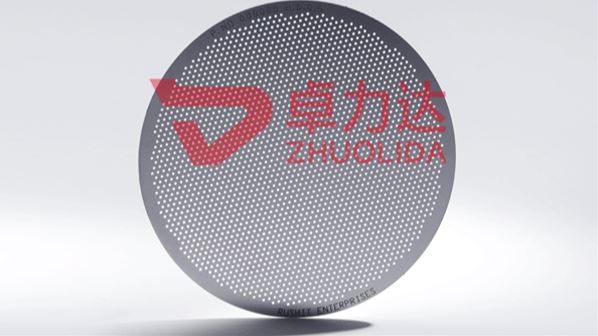
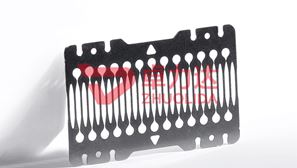
Microporous filteris a high-precision filtration component equipped with dense, uniform micro-scale pore structures, specially designed for fine impurity interception, fluid purification and precision separation. Different from conventional coarse filter media, the industrial Microporous filter features micron-level aperture accuracy, stable permeability and excellent structural consistency, capable of removing tiny particles, suspended solids and micro-contaminants from liquid and gas media. Manufactured via professional photochemical etching and precision metal processing technology, metal microporous filters deliver flat surface, burr-free pores and stable mechanical strength, widely serving pharmaceutical, chemical, environmental protection, new energy and laboratory precision filtration fields. This SEO-optimized guide fully explains the core functions, product advantages, manufacturing techniques and global application values of microporous filters.
Microporous filters are divided into two mainstream types: polymer membrane microporous filters and metal microporous filters. Among them, precision etched metal microporous filter has obvious advantages in industrial durability and reusability. It maintains stable filtration accuracy under high pressure, high temperature and long-term fluid scouring, avoiding pore deformation, blockage and damage common in ordinary filter materials, and has become the preferred precision filter component for high-end industrial scenarios.
Different from irregular porous filter materials, the orderly pore arrangement of the precision Microporous filter ensures uniform fluid flow rate and consistent filtration efficiency across the entire filter area. It effectively avoids local turbulence, dead filtration zones and uneven pressure distribution, greatly improving the stability and repeatability of industrial filtration and experimental detection results.
For sanitary and medical scenarios, food-grade and medical-grade stainless steel microporous filters are adopted, with smooth and easy-to-clean surfaces that meet global hygiene standards. For extreme corrosive environments such as strong acid and alkali, nickel alloy and titanium alloy microporous filters provide ultra-stable structural performance without pore deformation or corrosion failure. In addition, PTFE microporous membrane filters are commonly used for low-pressure ultra-clean filtration, featuring non-toxicity and strong anti-pollution ability.

Compared with woven mesh filters, etched Microporous filterhas higher dimensional accuracy and structural stability. There is no loose wire structure or mesh falling off risk, which effectively prevents secondary contamination of fluid. After surface passivation, polishing and anti-fouling treatment, the filter has excellent anti-blocking performance and easy cleaning characteristics, which can be reused repeatedly and greatly reduce industrial operating costs.
Second, stable and durable performance. Metal microporous filters resist high pressure, high temperature and chemical corrosion, adapting to long-term continuous operation of industrial equipment, with low failure rate and long service life. Third, high permeability and low resistance. The standardized micropore design balances filtration precision and fluid flux, ensuring efficient filtration without affecting production efficiency.
Microporous filter covers a wide range of global industrial fields. In the pharmaceutical and biotech industry, it is used for sterile filtration of liquid medicines, biological reagents and purified water, ensuring product hygiene and safety. In environmental protection and water treatment, microporous filters are applied to ultra-fine water quality purification and wastewater fine filtration to improve water quality standards.
When sourcing industrial Microporous filter, global buyers should select appropriate materials and pore sizes according to fluid properties, working temperature, pressure and filtration accuracy requirements. Sanitary-grade stainless steel microporous filters are preferred for medical and food industries, while corrosion-resistant alloy materials are suitable for harsh chemical working conditions.
Microporous filteris a core precision component of modern industrial fine filtration systems, bridging the precision gap between ordinary filters and ultra-high-precision purification equipment. With accurate micropore structure, diverse material options and excellent environmental adaptability, microporous filters provide reliable ultra-clean filtration solutions for global high-end manufacturing, medical health, environmental protection and new energy industries. With the continuous upgrading of industrial purification standards, high-precision customized metal microporous filters will become more popular in the global market, promoting the overall improvement of industrial filtration quality.



 189-3869-3452 0513-8160 1666
 E-MAIL:yw5@zldsmt.com
 QQ:$qq
 No. 268, Jinchuan Road, Nantong high tech Industrial Development Zone, Tongzhou District, Nantong City, Jiangsu Province
All Rights Reserved © 2019-2030Nantong Zhuolida metal Technology Co., Ltd.
ICP:【苏ICP备17060045号-3】


 TEL
TEL Products
 News
News About us